


Overweight Chihuahua: Signs, Health Risks and Safe Weight Loss
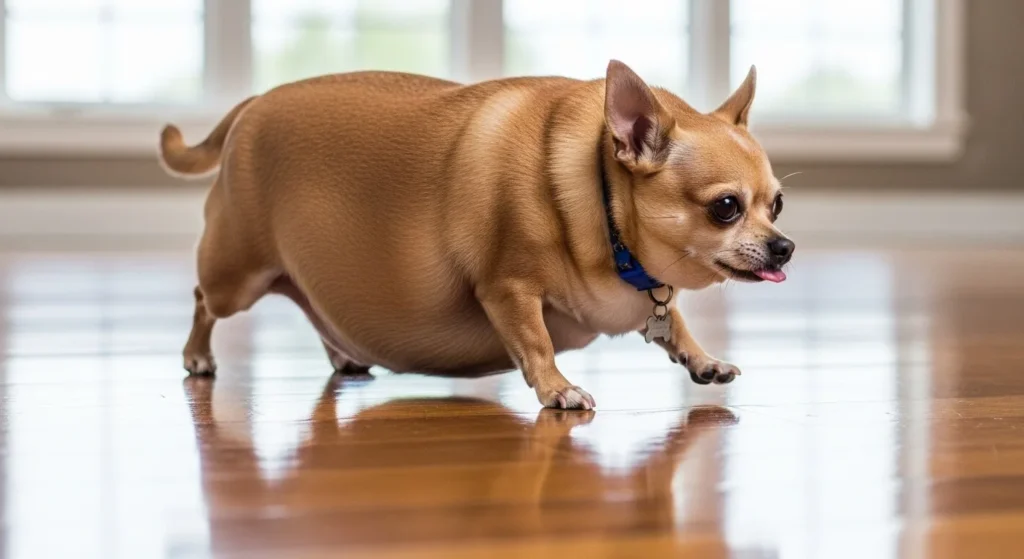
For a tiny dog like a Chihuahua, even a few extra ounces can make a difference. Excess weight is more than a cosmetic issue: it can reduce mobility, comfort and quality of life. Knowing the signs and working toward a healthy body condition can help your companion thrive.
What is an overweight Chihuahua?
The European breed standard describes an ideal weight of 3.3–6.6 lb (1.5–3 kg), but breed standards are not medical weight targets. Individual frame and body condition matter more than a single number. A Chihuahua weighing more than this range is not automatically overweight.
Signs to watch for
- Ribs that are difficult to feel beneath a layer of fat.
- Loss of a visible waist when viewed from above.
- Fat deposits over the back or abdomen and reduced abdominal tuck.
- Difficulty moving or becoming tired during usual activities.
Common causes of weight gain
Large portions, calorie-dense treats and table scraps, and too little activity are frequent contributors. Even tiny snacks add up in a small dog. Some medical conditions and medications can also affect weight; unexplained weight gain warrants a veterinary examination.
Health risks of excess weight
Extra weight puts additional strain on joints and can worsen existing mobility and breathing problems. Obesity is associated with reduced quality of life and potentially shorter lifespan. It can complicate management of other medical conditions.
How to check your Chihuahua’s body condition
Gently feel the rib cage. In a dog with an ideal body condition, the ribs are readily palpable under a thin fat layer, the waist is visible from above and the abdomen tucks up from the side. Ask your veterinarian to assess body condition if you are uncertain.
How to help an overweight Chihuahua lose weight safely
- Choose a balanced diet. Ask your veterinarian to set a calorie target and recommend a suitable complete dog food. Do not fast your dog or make drastic reductions.
- Measure portions. Weigh food, account for treats and divide the daily allowance into meals as appropriate.
- Encourage gentle daily activity. Short walks and indoor games are useful. Increase exercise gradually and adjust it to mobility and health.
- Track progress. Weigh your dog every one to two weeks and record changes. Review the plan with your veterinarian.
- Investigate underlying conditions. Seek veterinary guidance if your dog is not losing weight as expected.
What should an overweight Chihuahua eat?
A complete, balanced diet formulated for the dog’s life stage and individual health is the foundation. Lean cooked meat and small pieces of safe fruit or vegetables may be suitable occasional treats, but should not replace balanced meals. Avoid fatty table scraps, processed meats, sweets and chocolate. Chocolate is toxic to dogs.
Frequently asked questions
What is a healthy weight for an adult Chihuahua?
Individual healthy weight depends on frame and body condition rather than breed weight alone.
How can I tell if my Chihuahua is overweight?
Check whether the ribs are easy to feel and whether the dog has a visible waist and abdominal tuck.
Can a few ounces matter?
Yes. A gain of 3.5–7 oz (100–200 g) can be a substantial proportion of a tiny dog’s weight.
What are the common causes and risks?
Excess calories and inactivity commonly contribute. Joint discomfort, reduced mobility and breathing difficulties are among the concerns.
Can spaying or neutering affect weight?
Energy requirements may decrease afterward, so review portions and activity with your veterinarian.
What is the best diet for weight loss?
A veterinary-guided, calorie-controlled complete diet that supplies adequate nutrients.
How much exercise does an overweight Chihuahua need?
Start with manageable short walks and gentle play. Adapt the duration to the dog’s comfort and medical needs.
How long does weight loss take?
It varies. Aim for gradual progress, with regular weight checks and professional guidance.
When should I consult a veterinarian?
Before starting a weight-loss program, and particularly if there is unexplained weight gain, breathlessness, exercise intolerance or failure to lose weight.
Read more: Chihuahua lifespan and healthy aging.
Chihuahua puppy weight calculator
If you have a growing puppy, use our Chihuahua Weight Calculator to estimate adult weight in pounds or kilograms. This chart-based estimate is not an adult weight-loss target or a substitute for a veterinary body-condition assessment.
How big will your Chihuahua get?
Enter your puppy’s age and current weight. Choose pounds or kilograms.
Use the age when this weight was measured, not birth age for a current weight.